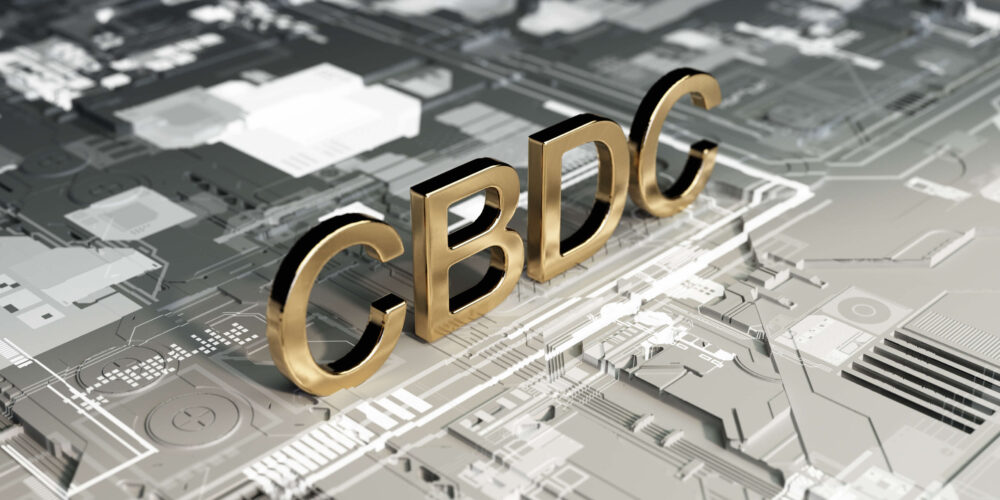
Is CBDC Good? Ripple CTO Makes Stunning Revelation – U.Today
Today, the US Department of the Treasury announced a new set of rules aimed at increasing transparency for cryptocurrency transactions. The rules will require financial institutions to verify the identities of non-customer clients, file reports on certain cryptocurrency transactions, and maintain records for transactions over $3,000.
The move is part of the Biden administration’s broader efforts to crack down on illicit finance and money laundering using digital assets. Treasury Secretary Janet Yellen emphasized the importance of regulating the cryptocurrency sector to prevent abuse and ensure compliance with anti-money laundering laws.
Impact on the Crypto Industry
The new regulations are expected to have a significant impact on the cryptocurrency industry, particularly on exchanges and other financial institutions that deal with digital assets. Compliance costs are likely to increase, and some smaller players in the market may struggle to meet the new requirements.
However, proponents of the regulations argue that they are necessary to combat illegal activities such as ransomware attacks, drug trafficking, and terrorism financing that can be facilitated by cryptocurrencies.
Response from the Crypto Community
The announcement has generated mixed reactions from the crypto community. Some believe that increased regulation is a necessary step for the industry’s long-term legitimacy and growth, while others see it as a threat to the privacy and decentralization that are core principles of cryptocurrencies.
Overall, the Treasury’s move underscores the ongoing debate between regulators seeking to bring digital assets into the traditional financial system and crypto advocates pushing for greater autonomy and privacy in financial transactions.
Central Bank Digital Currencies (CBDCs) have been a hot topic in the world of finance and technology lately. As countries explore the potential of issuing their own digital currencies, different opinions arise regarding their benefits and potential risks.
Recently, Ripple’s Chief Technology Officer (CTO) shared a stunning revelation about CBDCs. During a panel discussion at a cryptocurrency conference, the CTO emphasized the importance of careful consideration and thorough testing before implementing CBDCs on a large scale.
The Importance of Regulation and Security
According to Ripple’s CTO, regulatory frameworks and security measures need to be established and tested rigorously to ensure the successful adoption of CBDCs. He pointed out that the implementation of CBDCs could have far-reaching implications for the global financial system and emphasized the need for collaboration between governments, central banks, and technology companies.
Challenges and Opportunities
While CBDCs offer potential benefits such as increased financial inclusion and efficiency, they also pose challenges in terms of privacy, security, and interoperability. The CTO highlighted the need for a balance between innovation and regulation to unlock the full potential of digital currencies.
It’s crucial for policymakers and industry stakeholders to work together to address these challenges and create a foundation for the future of digital finance.
As the discussion around CBDCs continues to evolve, it is clear that a collaborative and forward-thinking approach is essential to harnessing the benefits of digital currencies while mitigating potential risks.
Is CBDC good? Ripple CTO David Schwartz makes a stunning revelation, arguing that its impact depends on whether it expands choice or restricts individual freedom.
When central bank digital currencies come up, the usual perception is either utopian control or streamlined efficiency, but David Schwartz, Ripple’s CTO and one of the longest-standing cryptographers in the industry, waded into the debate with an opinion that may flip the narrative. According to him, CBDCs are neither good nor bad; their impact depends on whether they expand freedom or eliminate it.
Ripple, for its part, has been embedded in this trend for years. Pilots with Palau, Montenegro, Bhutan, Georgia and the U.K. gave the company an inside view on what central banks demand, while ex-advisor Welfare admitted those early projects reshaped how XRPL was built to handle not just CBDCs but also stablecoins and tokenized deposits.
For example, many legal businesses can’t maintain banking relationships due to indirect regulation. Them having the option of a government-run “bank” that had to defend its decisions in court might be a pro-freedom option. (Though it does raise its own concerns to be sure.)
— David ‘JoelKatz’ Schwartz (@JoelKatz) October 29, 2025
That evolution culminated in Ripple’s own RLUSD launch across XRPL and Ethereum, a dollar-backed token now edging toward a $790 million market cap and tied into partnerships with DBS and Franklin Templeton.
Schwartz’s point should be read as follows: CBDCs can expand freedom if they counter disguised discrimination by private financial institutions, but they risk undermining it if weaponized against cash or private alternatives.
“>CBDC here to stay
The market has largely moved on, yet the question remains not whether CBDCs are coming, but whose freedom they will ultimately serve.
In the meantime, the backdrop is controversial. IMF chief Kristalina Georgieva has already warned that fiat’s digital transition is no longer a debate but a reality, with a clear undertone that Bitcoin and other “unbacked” cryptocurrencies are bad.
India’s central bank went further, openly calling for CBDCs to be used in place of stablecoins for international settlement, and admitting that pilots at both the retail and wholesale levels are already underway.
News
Oct 29, 2025 – 20:49
Odds of BTC Hitting $130K This Month Drop to Nearly 0%
NewsBreaking
Oct 29, 2025 – 19:46
BREAKING: Mastercard to Acquire Crypto Startup for $2 Billion
- Contacts
- Terms and conditions
- Privacy policy
- Consent settings
- Cookies policy
- Editorial Policy
Disclaimer: The opinions expressed here are not investment advice; they are provided for informational purposes only. The opinions expressed by our writers are their own and do not represent the views of U.Today. Every investment and all trading involves risk, so you should always perform your own research prior to making decisions. U.Today is not liable for any financial losses incurred while trading cryptocurrencies. We do not recommend investing money you cannot afford to lose.
© 2017-2025 U.Today. All rights reserved.
Terms and conditions
Privacy Policy