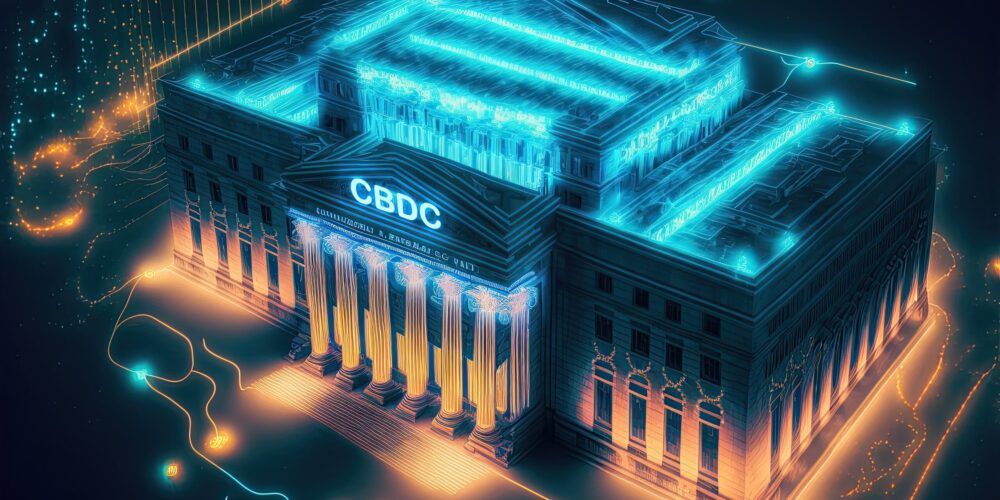

Reserve Bank of India Deputy Governor T. Rabi Sankar has delivered a forceful critique of stablecoins, asserting they fail to serve any meaningful function within the financial system. Instead, he advocates for Central Bank Digital Currencies (CBDCs) as a safer, more effective alternative. His comments at various forums highlight not just the shortcomings of stablecoins but also the need for a strategic modernization of the banking system in light of emerging technologies like Artificial Intelligence.
Unpacking the Flaws of Stablecoins
At the core of Sankar’s argument is the assertion that stablecoins lack the essential characteristics of modern money. According to him, stablecoins fail to be sovereign fiat and disrupt the “singleness” of currency in an economy. As he pointed out, “stablecoins are private money,” leading to the proliferation of competing currencies which could destabilize financial systems. This fragmentation not only undermines the credibility of money but also raises questions about the unconditional redemption promised by stablecoin issuers.
Moreover, the supposed benefits of stablecoins, such as facilitating faster cross-border payments and promoting financial inclusion, fall flat when scrutinized. “Financial inclusion requires solutions that are accessible, affordable, and safe,” Sankar asserted, noting that India’s existing systems like the Unified Payments Interface (UPI) already deliver efficient services. Stablecoins, often restricted to the crypto market, have shown limited utility in everyday transactions and primarily serve speculative trading.
Macro-Financial Risks: A Growing Concern
The potential for widespread adoption of stablecoins poses significant macro-financial risks, particularly the risk of currency substitution or “dollarisation.” Sankar warned that this could dilute India’s monetary sovereignty and compromise the effectiveness of monetary policy. He articulated concerns about the creation of unmonitored capital flows, which could further jeopardize financial stability and fiscal control.
In his remarks, he elaborated on the complications that could arise if bank deposits are substituted by stablecoins. “A financial system that has to increasingly depend on central bank liquidity to fund commercial credit would not sustain,” Sankar explained, underscoring the systemic vulnerabilities that could emerge if banks find themselves unable to maintain stable funding sources. Additionally, the diversion of seigniorage income to private issuers epitomizes the broader economic risks embedded in stablecoin reliance.
CBDCs: The Sovereign Solution
Central Bank Digital Currencies, as articulated by Sankar, represent a comprehensive solution that aligns with modern monetary principles. CBDCs, backed by sovereign authority, uphold the essential attributes of trust, stability, and regulatory oversight. “To sum up, many of these benefits are neither unique to stablecoins nor have stablecoins yet established any of the benefits their proponents claim,” he remarked, reinforcing the argument for CBDCs as a robust alternative.
Beyond mere financial transactions, CBDCs can facilitate advanced functionalities such as programmability and atomic settlement. Sankar also addressed privacy concerns, stating that while digital transactions inherently leave a fingerprint, it is indeed possible to enhance anonymity through technology, supported by legal backing. He emphasized that for India to realize the full potential of CBDCs, international corridors connecting various currencies will be essential, demonstrating clear advantages over private stablecoins.
Navigating AI’s Dual-edged Impact
Addressing the rapid evolution of technology, Sankar highlighted the promise and peril of Artificial Intelligence in finance. While AI enhances efficiency and opens new avenues for financial inclusion, its unchecked proliferation can jeopardize stability. “In finance, the margin for error is narrower,” he cautioned, urging for “safety by design” in AI development to prevent destabilization. This proactive approach is critical to ensuring that AI bolsters rather than undermines consumer trust.
The RBI’s initiatives, such as implementing MuleHunter.ai, indicate a forward-thinking approach to leveraging AI for combating financial crimes. Nevertheless, the long-term implications of AI on employment and market dynamics depend heavily on adaptive governance and societal readiness. As history shows, transformative technologies can reshape job roles, but it is the response to these changes that ultimately dictates the outcome.
A Modern Banking Ecosystem: The Path Forward
Sankar’s vision for the banking sector underscores the necessity of modernization to harness the full potential of advancements like AI and blockchain. He stressed that technology has become the fundamental bedrock of finance, requiring banks to evolve from legacy systems to more agile, collaborative frameworks. “The readiness of banks will determine whether they lead this transformation or are led by it,” he stated, highlighting the imperative for banks to view fintech as partners rather than competitors.
To achieve this, banks must embrace a culture of innovation and adaptability, fostering environments that encourage continuous learning and development. India’s exemplary Digital Public Infrastructure (DPI) model serves as a testament to what is possible when financial systems are designed with inclusivity and accessibility at their core. With these foundational elements in place, the challenges posed by new technologies can be met with foresight and resilience.
The Future of Finance: A Thought-Provoking Tabulation
In navigating the complexities of modern finance, the dialogue initiated by RBI’s Deputy Governor T. Rabi Sankar presents a pivotal opportunity for reflection and action. His warnings against the allure of stablecoins, coupled with the endorsement of CBDCs and responsible AI use, define a roadmap for a secure, efficient, and inclusive financial future. As the world steps further into digital territory, the imperative remains clear: prioritize systems that foster trust and stability, ensuring that innovation serves the greater good rather than creating new vulnerabilities. The question remains—will financial leaders rise to the occasion and reshape the future of finance in line with these critical insights?