Key Information
Geographic Coverage
Philippines (the)
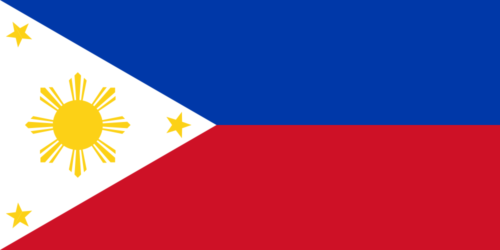
The Philippines, officially known as the Republic of the Philippines, is an archipelagic country in Southeast Asia located in the western Pacific Ocean. It is comprised of over 7,000 islands, with Luzon, Visayas, and Mindanao being the largest and most populous.
The Philippines has a rich history influenced by various cultures, including Malay, Chinese, Spanish, and American. It declared independence from Spanish colonial rule in 1898 and later became a U.S. territory until gaining full independence in 1946.
As a diverse nation, the Philippines is recognized for its vibrant cultural heritage, which is a mixture of indigenous, Spanish, and American influences. It is known for its festivals, traditional music, dance, cuisine, and arts, making it a popular tourist destination.
The country's economy is based on agriculture, manufacturing, and services, with a growing focus on technology and business outsourcing. The Philippines is also renowned for its natural beauty, including pristine beaches, coral reefs, and tropical forests, attracting millions of tourists each year.
The Philippines is a unitary presidential constitutional republic with a democratic government. Filipino and English are the official languages, reflecting the country's diverse linguistic heritage.
The capital city of the Philippines is Manila, while Quezon City is the country's most populous. With a population of over 100 million people, the Philippines is known for its hospitality, resilience, and strong sense of community.
CBDCs
No CBDCs linked…
Articles